 ultimate-guide
Tree Removal Arborist: A Complete Guide
Table of Contents
- When You Need a Tree Removal Arborist
- Arborist vs Tree Lopper: What Sets Them Apart
- Tree Removal Permit Requirements You Must Know
- Tree Health Assessment and Risk Evaluation
- Stump Grinding Benefits and Site Restoration
- What Makes a Qualified Arborist Safe and Reliable
- Emergency Tree Services and Storm Damage Response
- Conclusion
- Frequently Asked Questions
Last Updated: September 21, 2026
When You Need a Tree Removal Arborist
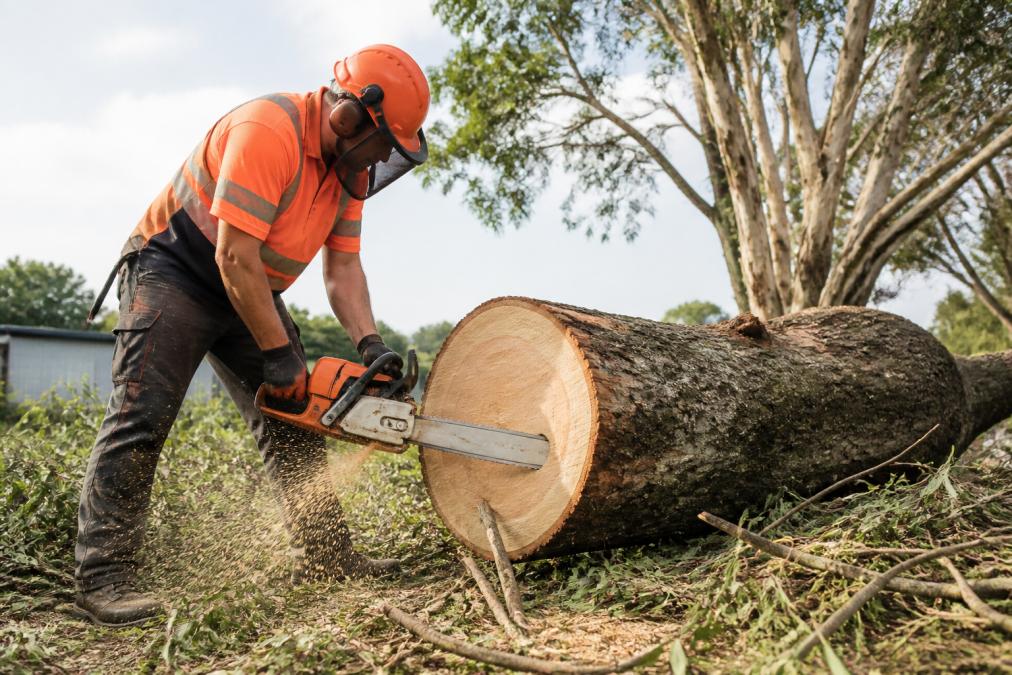
A tree removal arborist is a certified professional trained to assess, manage, and safely remove trees while protecting your property and the surrounding environment. Unlike general contractors, a qualified tree removal arborists combine deep knowledge of tree biology, structural engineering, and safety protocols to handle everything from routine pruning to complex hazard removal.
Knowing when to call an arborist makes the difference between a healthy property and a costly disaster. You need a tree removal arborist when a tree shows signs of disease, structural weakness, or poses an immediate safety risk. Dead branches hanging over your house, trees leaning toward power lines, or sudden storm damage all warrant professional assessment. Early intervention often prevents expensive damage and protects your investment.
Most homeowners underestimate the complexity of tree work. A tree that looks fine from the ground may have internal decay or unstable root systems invisible to the untrained eye. Professional arborists use diagnostic tools and years of experience to identify these risks before they become emergencies. This systematic approach to tree care ensures your property stays safe while preserving healthy trees that add value and character to your landscape.
Arborist vs Tree Lopper: What Sets Them Apart
The difference between an arborist and a tree lopper is substantial, and understanding it protects your trees and your wallet. A qualified arborist holds formal qualifications in arboriculture, understands tree biology, and follows industry standards for safe work practices. They assess tree health, plan precise interventions, and use rigging techniques that minimise damage to surrounding structures.
A tree lopper, by contrast, typically operates without formal qualifications and focuses on removing branches or felling trees quickly. They may lack the diagnostic skills to identify disease, structural problems, or preservation opportunities. This distinction matters enormously: a tree lopper might fell a tree that an arborist could have saved through targeted pruning and health treatment.
When you hire a tree removal arborist, you're paying for expertise that prevents costly mistakes. Improper cutting techniques can kill trees that would otherwise recover, damage property during removal, or create safety hazards. The right professional evaluates whether removal is truly necessary or whether pruning, deadwooding, or crown thinning would solve the problem more cost-effectively.
Insurance and liability coverage tell the real story. Legitimate arborists carry public liability insurance coverage. Tree loppers operating without proper insurance leave you exposed if someone is injured or property is damaged during the job. Legitimate arborists carry public liability insurance coverage. Tree loppers operating without proper insurance leave you exposed if someone is injured or property is damaged during the job.
Tree Removal Permit Requirements You Must Know
Before any tree removal arborist touches a tree on your property, you must understand local permit requirements. Many councils require written approval before removing trees, particularly protected or heritage species. Failing to obtain the necessary permits can result in significant fines and legal complications that far exceed the cost of proper approval.
Which Trees Require Permits?
Permit requirements vary by council and state, but common protected categories include:
- Heritage trees: Officially listed trees of cultural, historical, or botanical significance.
- Native trees in conservation areas: Trees in bushland reserves, riparian zones, or biodiversity corridors.
- Trees above a certain size: Many councils protect trees over 5-10 metres tall or with trunk diameter exceeding 200-300 mm.
- Endangered or threatened species: Native species listed under environmental protection legislation.
- Trees on public land or verges: Even trees on your property may be protected if they overhang council land.
Small ornamental species, dead trees posing immediate danger, and trees in newly cleared subdivisions often fall outside permit requirements. However, when in doubt, it's safer to assume a permit is needed. An arborist can quickly determine your tree's status and advise on next steps.
The Permit Application Process and Timeline
The typical process involves:
- Initial assessment (1-2 days): An arborist inspects the tree and prepares a removal justification, health assessment, safety risk evaluation, or landscape plan.
- Application submission: You or your arborist submits a formal application to council with tree details, location, photos, and the arborist's assessment.
- Council review (6 weeks typical): Planning or environmental staff evaluate the application. They may request additional information, site photos, or a revised plan.
- Decision: Council approves removal, requires alternatives (pruning, crown thinning, transplanting), or denies the request with reasons.
- Approval validity: Permits typically remain valid for 6-12 months; delays in scheduling removal may require reapplication.
Total timeline from application to approval often spans 3-4 weeks, sometimes longer if council requests revisions. Planning ahead is essential; emergency removals may bypass some steps but still require post-removal notification.
Cost and Compliance Implications
Permit applications typically incur council fees (often $50-$200 depending on jurisdiction) plus the cost of an arborist's assessment report ($200-$400). These costs are minor compared to fines for unpermitted removal, which can range from $500 to several thousand dollars depending on tree significance and local legislation.
Unpermitted removal also creates liability: if a neighbour objects or environmental damage is discovered, you may be required to replant, pay restoration costs, or face legal action. Insurance may not cover damage from unpermitted work, leaving you personally liable.
Working with Your Arborist on Permits
A qualified tree removal arborist handles permit navigation, removing the stress of bureaucratic process. They know which trees typically require approval in your area, prepare compelling justifications (health reports, risk assessments, landscape plans), and liaise with council on your behalf. This expertise often accelerates approval and prevents costly rejections due to incomplete applications.
If council denies removal, an experienced arborist can propose alternatives: targeted pruning to reduce risk, crown thinning to improve structure, or health treatment to extend the tree's life. These alternatives sometimes satisfy council concerns while preserving the tree. If removal is ultimately approved, your arborist coordinates timing and logistics, ensuring the job proceeds smoothly once permits are in hand.
Tree Health Assessment and Risk Evaluation
A thorough tree health assessment is the foundation of responsible tree management. A qualified tree removal arborist evaluates multiple factors: branch condition, bark integrity, root stability, disease signs, and structural soundness. This diagnostic process reveals whether a tree can be saved through treatment or pruning, or whether removal is genuinely necessary.
Risk evaluation focuses on the tree's proximity to structures, power lines, and people. A tree that's healthy but growing toward your house presents a future hazard. An arborist measures lean angle, branch weight distribution, and growth patterns to predict where failure might occur. This forward-looking assessment prevents emergencies before they happen.
Common signs that warrant professional assessment include large dead branches, significant lean, hollow sections in the trunk, or fungal fruiting bodies indicating internal decay. Pest damage, storm damage, or disease symptoms also require expert evaluation. Many trees showing these signs can be treated or pruned rather than removed, but only an experienced professional can make that determination accurately.
The assessment process typically includes a site visit where the arborist inspects the tree from ground level and, if necessary, climbs to examine upper structure.
Stump Grinding Benefits and Site Restoration
After tree removal, the stump remains, and stump grinding offers significant advantages over leaving it in place. Grinding removes the stump below ground level, eliminating a tripping hazard, freeing up space for landscaping, and preventing regrowth. The wood chips produced can be used as mulch or removed entirely, leaving your site ready for restoration.
Post-Removal Soil and Root Decay Management
Replanting and Landscape Restoration Strategy
- Soil testing: Determine pH, nutrient levels, and compaction. Many removal sites have compacted soil from equipment access; ripping and amending restores structure.
- Native species selection: Replanting with native trees suited to your region supports local wildlife and reduces long-term maintenance. Local councils often provide guidance on appropriate species for your area.
- Spacing and future growth: Choose trees and shrubs sized appropriately for the space, accounting for mature canopy spread. Overcrowding creates future pruning or removal needs.
- Drainage and utilities: Confirm no underground services (water, gas, electricity) run beneath the planting area. Poor drainage can kill newly planted trees; amending soil or installing drainage may be necessary.
What Makes a Qualified Arborist Safe and Reliable
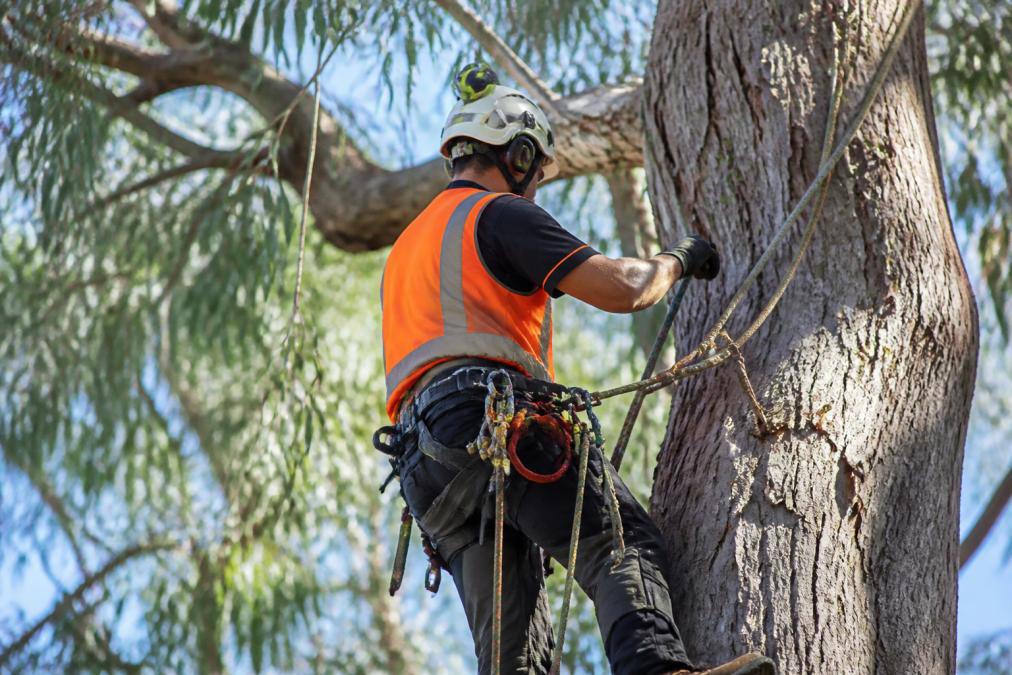
A qualified tree removal arborist combines formal training, ongoing education, and strict adherence to safety standards. Look for arborists who hold qualifications in arboriculture or related fields, carry current certifications, and maintain professional liability insurance. These credentials indicate a commitment to excellence and accountability.
Emergency Tree Services and Storm Damage Response
Severe weather can transform healthy trees into hazards overnight. Storm damage creates urgent situations requiring immediate professional response. A tree removal arborist trained in emergency services assesses damage, stabilises dangerous trees, and coordinates safe removal or repair.
Conclusion
Choosing a qualified tree removal arborist is one of the most important decisions for your property's safety and appearance. Professional assessment, proper permits, safe removal techniques, and comprehensive site restoration transform tree work from a risky DIY project into a managed, predictable process. Chop it tree services delivers expert tree maintenance and removal solutions with systematic assessment, thorough communication, and comprehensive service from planning through completion.
Frequently Asked Questions
What is the difference between a tree lopper and a qualified arborist?
A qualified arborist has formal training in arboriculture, holds relevant certifications, and carries public liability insurance. They assess tree health, diagnose disease, and plan removal or pruning to preserve tree structure and safety. Tree loppers may lack formal qualifications and typically perform basic cutting without comprehensive risk assessment. For hazardous trees or complex removals, an arborist's expertise protects your property and ensures compliance with safety standards.
Do I need a permit for tree removal on my property?
Permit requirements depend on tree species, size, and location. The ACT Government regulates removal of certain native trees and trees in heritage areas. You must check local council regulations before removal; penalties for unauthorised removal can be substantial. A qualified arborist can advise whether your tree requires approval and handle the application process, ensuring you comply with all requirements and avoid costly fines.
What are the benefits of stump grinding after tree removal?
Stump grinding removes the remaining root system below ground, eliminating tripping hazards, preventing regrowth, and reclaiming usable space on your property. It also removes a potential entry point for pests and disease. Professional grinding leaves the site level and ready for landscaping, replanting, or other use. Without grinding, stumps can persist for years and create safety risks, especially in high-traffic areas.
How do I know if a tree needs to be removed or just pruned?
A tree health assessment by a qualified arborist determines whether removal is necessary. Signs of removal include extensive disease, severe structural damage, hazardous lean, or dead branches throughout the canopy. Many trees can be saved through pruning, deadwooding, or crown thinning to improve health and safety. An arborist evaluates the tree's condition and recommends the least invasive option, avoiding unnecessary removal while addressing genuine hazards.